Counting our blessings…Recovery Capital and LERO Leadership
Aberdeenshire Community Recovery will be piloting a Recovery Capital monitoring tool through 2026 and beyond. We will be one of a handful of Scottish Lived Experience Recovery Organisations (LEROs) who have agreed to introduce the assessment framework and, in time, the app, working in collaboration with the Scottish Recovery Consortium (SRC) and Prof. David Best of the University of Leeds.
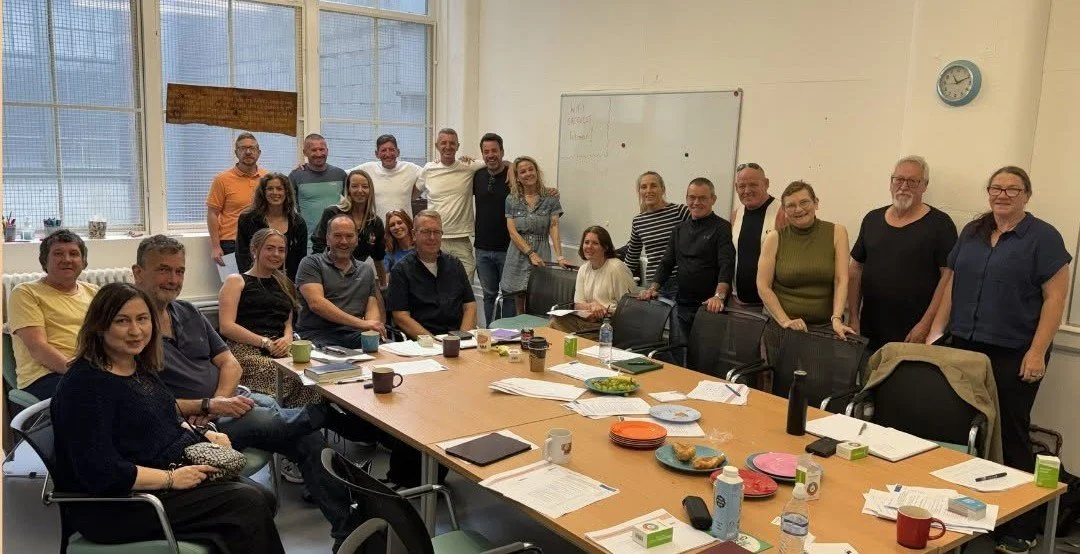
Our newest Community Development Officer, Lynne Hastie, and volunteer and trustee, John Bolland, attended the 3rd Scottish LERO Leadership Group meeting at SRC’s Glasgow offices with other Peer Champions and Community Leaders from across Scotland. ARC has been an active member of the group from the outset. For more details, follow this link to SRC’s Facebook page.
As well as reviewing the proposed tool, the group discussed improving the signposting and search capabilities of Scotland’s ALISS (A Local Information System for Scotland) website to help folk affected by substance use navigate to local support groups and organisations. ACR’s groups are already featured on the ALISS website but improvements in keyword searching will be invaluable in improving our connection to the wider community. You can find the ACR support groups currently listed in ALISS here. Abereenshire Community Recovery SCIO | ALISS
Building Recovery Capital Across Scotland: ACR Joins National Pilot
Across Scotland, recovery communities are coming together to strengthen the way we understand and support recovery. Recently, Lived Experience Recovery Organisations (LEROs) were invited to take part in a new national initiative: the rollout of the Recovery Capital Screener (RCS‑36) pilot. This tool represents a major step forward in how we measure, map, and grow recovery capital within our communities.
Recovery capital refers to the personal, social, and community resources that help people move forward in their recovery journey. By introducing a consistent way to measure these strengths, Scotland’s LEROs can build clearer pathways to support — and ensure that people in recovery receive help that genuinely meets their needs.
Strengthening Support Networks Across Scotland
The aim of the pilot is simple but powerful: To introduce the new Recovery Capital measuring tool to LEROs across Scotland and begin a national rollout that allows recovery communities to establish a baseline of recovery capital. With this baseline, organisations can better understand what supports are working well and where gaps may exist.
For those working in LEROs, the Third Sector or substance‑use organisations, the tool offers a practical way to identify missing pieces within local support networks — and start bridging those gaps in meaningful, community‑led ways.
The Pilot Timeline: What Happens When
The structure of the pilot was agreed during a previous meeting in July, and the process is now well underway:
August: LEROs attended a content and process workshop to explore the tool in depth. Each organisation will now nominate a project lead and team members to deliver the pilot.
September: A training event will take place ahead of the official pilot launch.
September–November: The paper‑based version of the RCS‑36 will be tested across recovery communities.
December: A summary workshop will review feedback, refine the tool, and shape an interim report.
Early 2027: Development of the online tool and digital platform begins, followed by a second phase of piloting that incorporates local projects and needs.
July 2027: The full digital outcome‑monitoring platform is scheduled to launch.
This phased approach ensures the tool is shaped by real community experience — not just theory.
ACR’s Role in the Pilot
Aberdeenshire Community Recovery (ACR) attended the workshop as one of the LEROs embracing the pilot scheme. For us, this is an opportunity to deepen our understanding of the screener, bring the tool into Aberdeenshire’s recovery communities, and build a clearer picture of where we are in the wider landscape of recovery across Scotland.
By participating in the pilot, ACR will ensure that local voices, lived experience, and community knowledge play a central role in shaping Scotland’s future recovery infrastructure.